The Comprehensive Guide to Human-Centered Web Design: Boost Conversions and Engagement
User-centric web design is pivotal in today's digital landscape. It centers on identifying user requirements and behaviors. This methodology shapes every element of a website, from site structure to written material. By focusing on mobile-friendly design and utilizing analytical tools, creators can elevate the quality of user interactions. important information The significance of these techniques goes well beyond simple accessibility. They can profoundly affect audience interaction and sales performance. Which approaches prove most successful in reaching these goals? Examining this inquiry uncovers valuable findings to the forefront.
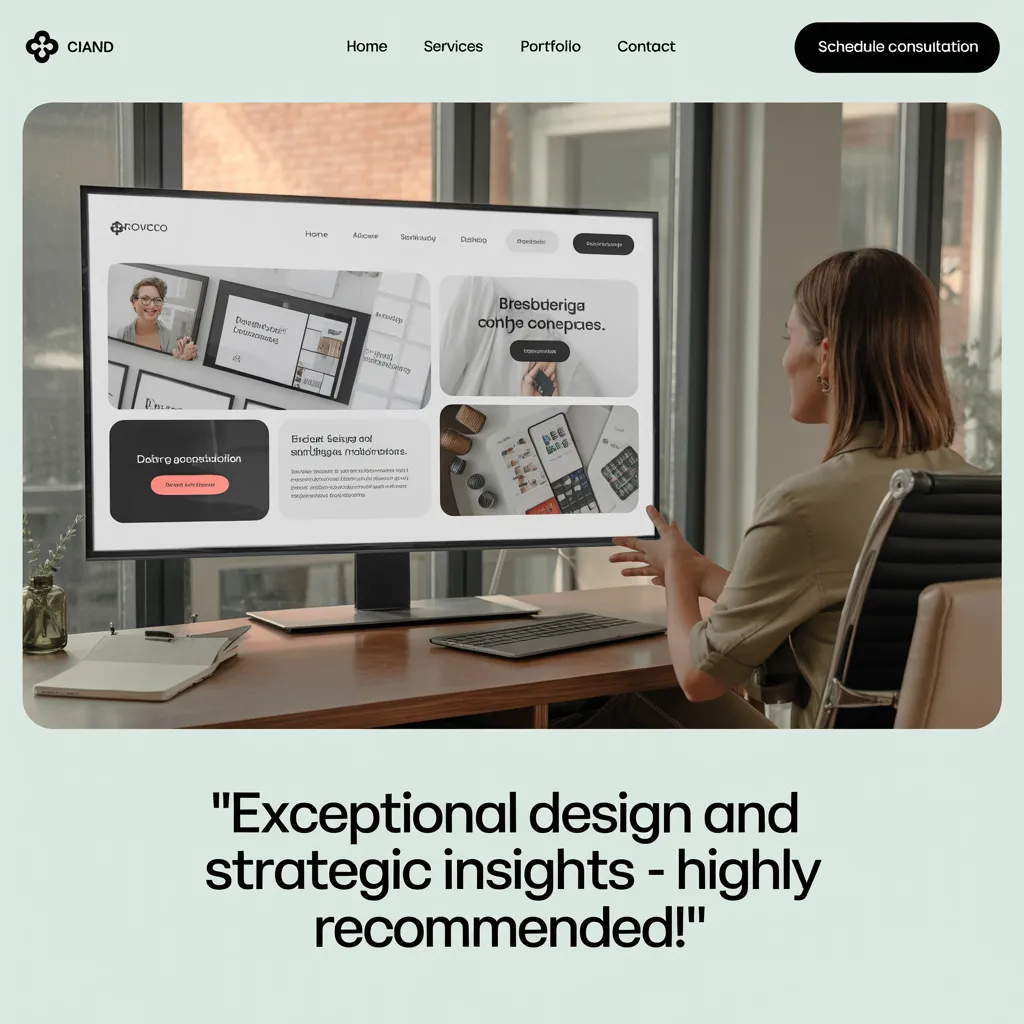
Identifying User Needs for Effective Web Design
How are designers able to fully comprehend the needs of their target users? Creating effective web designs requires them to participate in detailed research and analysis. This process includes applying multiple approaches such as user interviews, surveys, and usability testing. By gathering qualitative and quantitative data, designers can identify pain points, preferences, and behaviors of their target audience.
Examining user personas helps in identifying distinct user groups and their particular needs. Furthermore, researching rival platforms can offer valuable information about professional benchmarks and standards. UX professionals should also monitor audience behavior with established systems to uncover opportunities for enhancement.
Including feedback loops during the design workflow is vital for enhancing results. By emphasizing user needs, web designers can develop websites that not only draw in visitors but also encourage engagement and satisfaction. Ultimately, a thorough knowledge of the needs of users lays the foundation for effective, user-focused web design.
How User Expectations Drive Intuitive Navigation and Layout
User demands greatly impact the design of intuitive navigation and layout in web design. Recognizing these needs confirms that users can readily access information, facilitating a seamless browsing experience. Successful navigation is organized around users' cognitive models, which define how they expect to navigate and use a website. This balance not only boosts usability but also decreases frustration, consequently resulting in greater engagement rates.
Page structures must focus on clarity and accessibility, adopting recognizable design frameworks that resonate with users. Elements such as menus, buttons, and calls to action ought to be thoughtfully positioned according to user habits and expectations. By conducting user research and usability testing, creators can uncover friction areas and behavioral tendencies, empowering them to build structures that address individual user experiences. At its core, a visitor-oriented methodology for navigation and layout encourages a more natural interaction, which is essential for retaining visitors and driving conversions.
Creating Engaging Content That Meets User Expectations
Developing captivating content demands a deep understanding of audience expectations and preferences. To effectively capture the reader's attention, content creators must examine audience behavior, interests, and pain points. This insight enables them to develop messages that appeal to the intended audience, strengthening relevance and appeal.
Utilizing straightforward, precise wording and engaging imagery can significantly enhance user involvement. Moreover, employing storytelling techniques works to build emotional connections, making the content more memorable. It is critical to copyright a consistent tone that supports the brand image while fulfilling audience requirements.
Additionally, integrating dynamic components, like interactive polls and quizzes, drives meaningful interaction. Consistently refreshing content confirms it remains fresh and relevant, addressing the growing requirements of readers. By prioritizing relevance and quality, businesses can foster lasting trust, thereby generating greater user engagement and conversion rates.
User-Centric Mobile Optimization for Accessibility and Usability
What elements play a role in effective mobile optimization which focuses on accessibility and usability? First, adaptive design confirms websites adapt seamlessly to multiple screen resolutions, enhancing user experience. Furthermore, seamless navigation is essential; simple menus and easily clickable buttons facilitate user interactions. Focusing on quick load times is necessary, as mobile users expect instant access to information.
Additionally, integrating accessibility features, such as text-to-speech capabilities and scalable font options, accommodates people with accessibility needs, broadening the audience. Employing high-contrast color schemes and readable typography improves readability, above all in outdoor viewing situations.
Including touch-friendly design features eliminates frustration, enabling users to interact seamlessly with content. Ultimately, conducting tests across various devices and platforms guarantees a seamless interaction. By prioritizing these elements, companies can build mobile solutions that not only meet user needs but also improve overall engagement and conversion rates.
Instruments to Evaluate User Engagement and Conversion Success
Proper mobile optimization establishes the groundwork for assessing user engagement and conversion performance. Various tools enable web designers and marketers to analyze user behavior and track critical metrics. Google Analytics continues to be a fundamental resource, providing data on user demographics, session duration, and bounce rates, assisting in pinpointing areas that need improvement. Heatmap platforms including Hotjar and Crazy Egg offer graphical depictions of user interactions, giving designers visibility into where users click, scroll, and abandon the page.
A/B testing solutions, such as Optimizely and VWO, facilitate experimentation with different design elements to determine which versions yield improved conversion outcomes. Furthermore, customer feedback solutions like SurveyMonkey and Typeform gather qualitative data directly from users, delivering important understanding of their journeys. By utilizing these resources, organizations can create a stronger user-focused experience that not only boosts engagement but also drives conversion rates, which ultimately produces enhanced business performance.
Common Questions and Answers
What Are the Best Ways to Collect User Feedback?
To gather user feedback effectively, one should leverage interviews, surveys, and usability testing. Examining data using analytics tools and promoting open communication fosters a deeper understanding of user needs and preferences, ultimately advancing product development.
What Are Common Mistakes in User-Centric Design?
Frequent errors in user-centric design include disregarding user research, making navigation too complex, failing to address accessibility, neglecting mobile optimization, and failing to iterate based on feedback. These pitfalls can hinder user experience and ultimately reduce engagement.
How Often Should I Update My Website Design?
A web design should be updated every 1-3 years, based on user feedback, technological advancements, and industry trends. Regular updates guarantee continued relevance, improve overall user experience, and maintain engagement with the target audience.
How Does Color Psychology Influence Design?
Color theory greatly influences visual design by evoking emotions and influencing how things are perceived. Designers leverage the power of color to improve the overall user experience, guide behavior, and create a recognizable brand presence, consequently influencing user engagement and conversions throughout different digital channels.
What Is the Best Way to Balance Aesthetics and Functionality
Achieving harmony between aesthetics and functionality requires careful consideration of user experience. Design professionals must emphasize intuitive navigation and accessibility while integrating visually engaging elements, making certain that visual appeal strengthens usability rather than detracting from the overall effectiveness of the design.
Comments on “Top Web Design Services for Portfolio Websites”